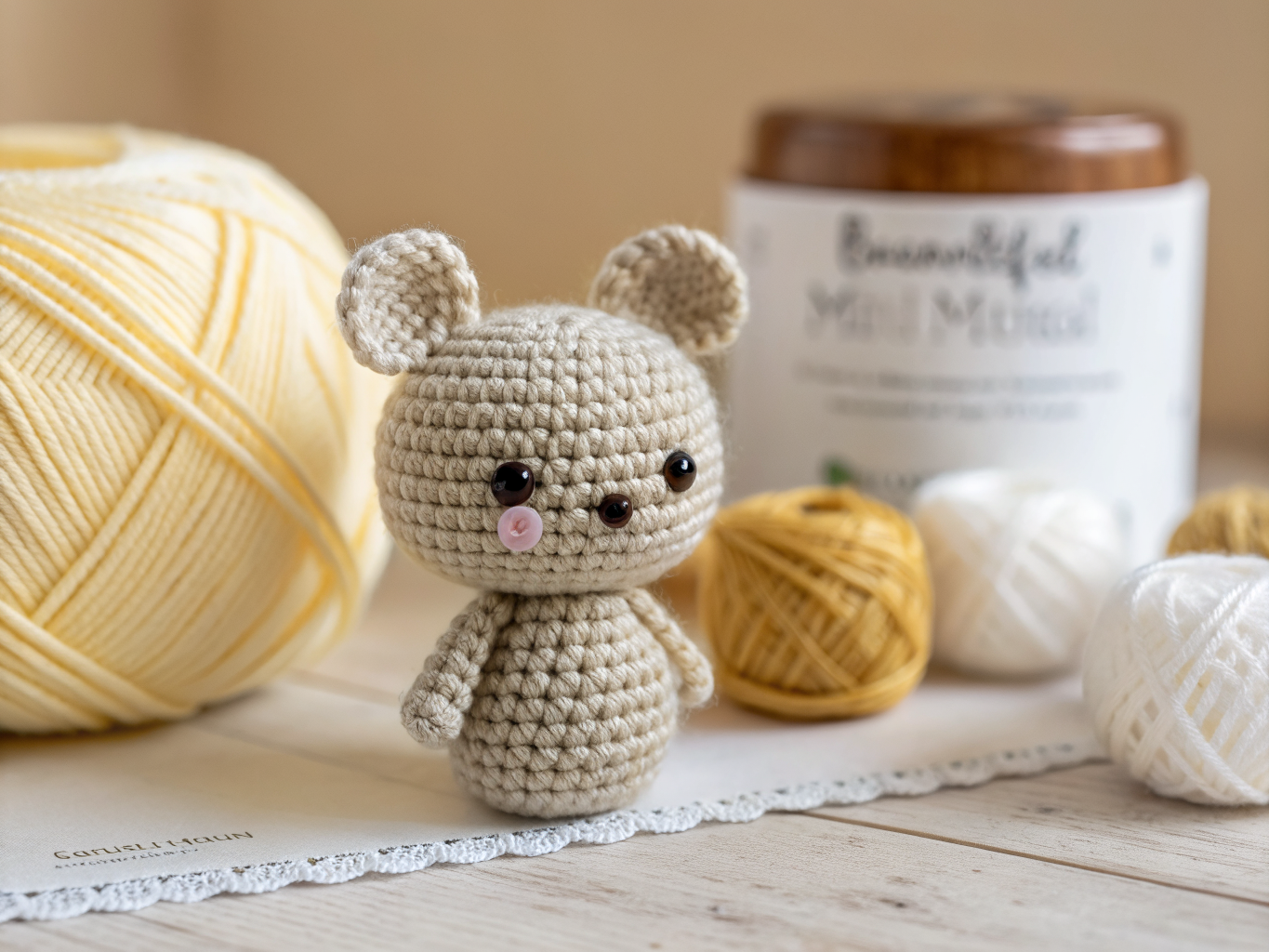
Easy Mini Amigurumi Patterns You Can Crochet Fast
Table of Contents
Mini amigurumi are some of the most satisfying crochet projects you can make, because they finish quickly and use very little yarn. If you have a basket of leftover sport or DK weight scraps, this is the perfect way to put them to good use instead of letting them sit in a bin.
This roundup gathers fifteen mini amigurumi patterns that work well for gifts, keychains, bag charms, and quick stash-busting projects. Most of these ideas suit beginner to intermediate crocheters who already know basic amigurumi shaping, though a few simple shapes are approachable even for newer stitchers who are comfortable with single crochet and increases.
Project Overview
| Detail | Description |
|---|---|
| Skill level | Beginner to intermediate |
| Crochet terminology | US terms |
| Construction method | Worked in continuous (spiral) rounds, pieces sewn together |
| Yarn type | Sport or DK weight scrap yarn |
| Hook size | 2–3.5 mm |
| Finished size | Varies by yarn weight, hook size, and stitch tension |
Materials and Tools
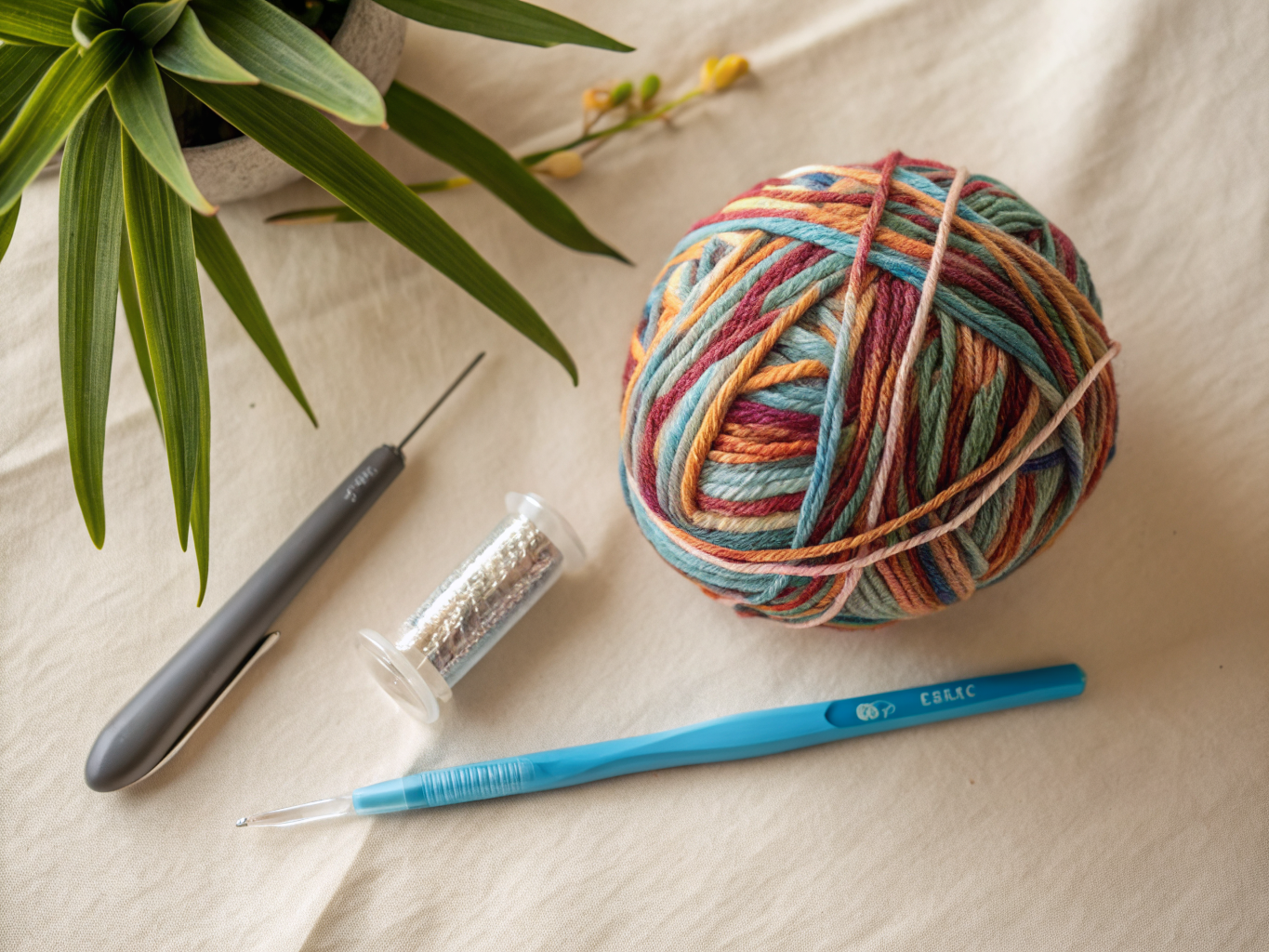
Essential materials
- Sport or DK weight scrap yarn in assorted colors
- 2–3.5 mm crochet hook
- Small amount of polyester fiberfill
- Stitch markers
- Tapestry needle
- Scissors
- Embroidery floss (for facial features)
Optional add-ons
- Keychain hardware, if you plan to turn a finished piece into a bag charm or keychain
Crochet Abbreviations
| Abbreviation | Meaning |
|---|---|
| ch | chain |
| sc | single crochet |
| inc | increase (2 sc in one stitch) |
| dec | decrease (single crochet two stitches together) |
| sl st | slip stitch |
| st(s) | stitch(es) |
| rnd(s) | round(s) |
| MR | magic ring |
| FO | fasten off |
Important Notes Before You Begin
Most mini amigurumi are worked in continuous rounds rather than joined rounds, which means you do not chain up or slip stitch between rounds. Instead, use a stitch marker in the first stitch of each round and move it up as you go, so you always know where a new round begins.
Because these projects are so small, tension matters more than usual. Keep your stitches snug and even so that stuffing does not peek through gaps between stitches. Add fiberfill in small pinches as you work the final rounds of a piece, gently shaping it with your fingers so it stays smooth rather than lumpy.
When joining smaller parts like ears, arms, or a tail, leave a long tail after fastening off and use it directly for sewing rather than cutting it short. This keeps the join strong without adding a separate strand of yarn. If a pattern calls for a color change, switch yarn on the last pull-through of the final stitch in the old color so the new color starts cleanly at the top of the next stitch.
If any of these projects will be given to a baby or young child, embroidered eyes and features are a safer choice than plastic safety eyes or other small attachable pieces, since detachable parts can present a choking risk. Handmade items should not be considered certified safe for children regardless of the materials used.
How to Choose the Right Project
Start by thinking about how the finished piece will be used. A keychain or bag charm benefits from a firmer, more compact shape, while a small toy meant for hugging can be a little softer and rounder. If you are new to amigurumi shaping, choose a design built mostly from simple spheres and short tapers, such as a mouse or a snail, before moving on to shapes with more limbs or facial detail.
Your scrap yarn supply can also guide your choice. Projects with multiple small color sections, like a bee or a penguin, are a great way to use up several short lengths of leftover yarn at once.
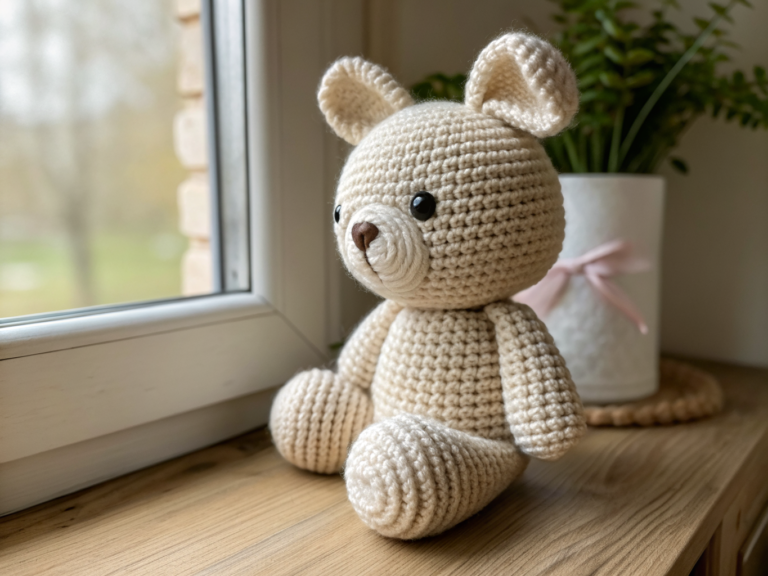
Tiny Amigurumi Bear
A rounded head, small body, and stubby limbs make this one of the easiest shapes to master. It suits beginners who are comfortable with basic increases and decreases. Any solid or tonal scrap yarn works well, and you can vary the ear size slightly for a more playful or more classic look.
Mini Amigurumi Bunny
This design relies on simple spheres with two elongated ears added at the end, making it approachable for beginners. Soft pastel scraps give it a classic look, while brighter colors make it feel more modern. Embroidered features keep the face simple and clean.
Micro Amigurumi Fox
A slightly more advanced project because of the color changes needed for the face and tail tip, this suits confident beginners or intermediate crocheters. Using a contrasting scrap for the muzzle and tail tip adds a lot of visual interest without extra yardage.
Keychain-Sized Amigurumi Cat
Worked at a very small scale, this design is well suited to intermediate crocheters comfortable with tight, precise stitches. A short body and simple triangular ears keep the shaping straightforward. This is one of the easiest shapes to convert into a keychain using optional hardware.
Miniature Amigurumi Owl
This project uses a single rounded body shape with wings and a face worked as separate flat or slightly domed pieces, making it beginner-friendly. Two-tone scrap combinations work especially well here, since owls naturally suit mixed color patterns.
Tiny Amigurumi Elephant
The trunk and ears add a bit more shaping complexity, so this suits an intermediate skill level. Gray, lavender, or pastel scraps all work nicely. Take care to stuff the trunk lightly so it holds its shape without becoming stiff.
Scrap Yarn Amigurumi Mouse
One of the simplest shapes in this list, ideal for beginners. A tapered body, small rounded ears, and a thin embroidered or crocheted tail come together quickly. This is a great pattern for using very short leftover lengths of yarn.
Mini Amigurumi Penguin
The two-color body panel makes this slightly more involved than a single-color animal, suiting confident beginners. Black and white scraps are classic, but any strong color contrast will work well for the belly panel.
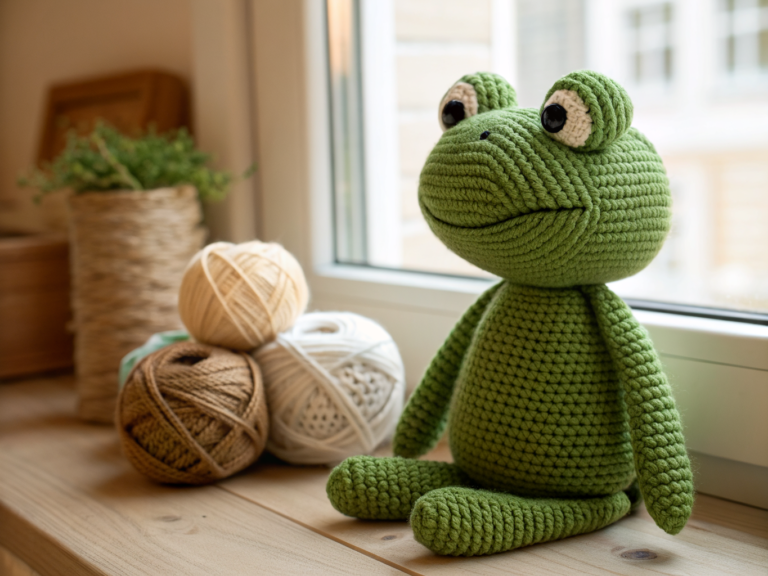
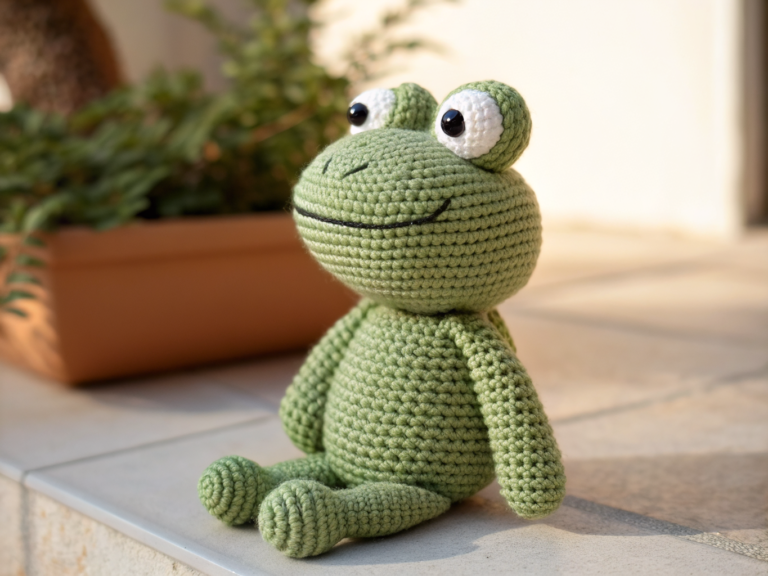
Small Amigurumi Frog
A rounded body with simple leg shapes makes this beginner-friendly. Bright green or two-tone scrap combinations give it a cheerful look, and the legs can be worked short and stubby for a simplified, non-anatomical style.
Miniature Amigurumi Bee
This project uses alternating yellow and black or brown stripes, which makes it a good practice piece for clean color changes. It suits beginners who want to build confidence with striping before trying more advanced shaping.
Tiny Amigurumi Ghost
One of the fastest projects in this collection, built from a single tapered body shape with no limbs required. It is ideal for absolute beginners and works well in white, cream, or pastel scraps for a soft seasonal accent.
Mini Amigurumi Heart Keychain
A flat or slightly domed heart shape worked in two mirrored halves and seamed together, this is a quick beginner project. It is especially well suited to keychain hardware and makes a simple handmade gift topper.
Small Amigurumi Snail
A coiled shell worked as a flat spiral attached to a simple tapered body keeps this project approachable for beginners. Two contrasting scrap colors, one for the shell and one for the body, create a clean, classic look.
Tiny Amigurumi Star
Worked as a five-pointed flat or lightly stuffed shape, this is one of the quickest projects to finish and suits beginners who want a fast win. It also works well as a small ornament or gift tag when attached to a loop of yarn.
Mini Amigurumi Dinosaur
The back spikes add a bit of extra shaping, making this suited to confident beginners or intermediate crocheters. A single solid color for the body with a contrasting scrap for the spikes gives it a fun, finished look.
Yarn and Hook Considerations
Sport and DK weight yarns are ideal for these mini projects because they produce a dense, stuffing-friendly fabric at a small scale. A 2–3.5 mm hook keeps stitches tight enough to hold fiberfill in without leaving visible gaps.
If your scrap yarn varies in weight from one skein to the next, adjust your hook size slightly to keep your tension consistent across a single piece. Working a small test swatch before starting a new design can help you confirm your stitches are tight enough before committing yarn to the full project.
Tips for Better Results
- Work in a well-lit space so you can easily see stitch definition at this small scale.
- Count your stitches at the end of every round, especially through increase and decrease sections.
- Use short lengths of contrasting yarn as removable markers if you run out of locking stitch markers.
- Stuff gradually rather than all at once, checking the shape as you go.
Customization Ideas
- Swap solid colors for two-tone or speckled scrap combinations to make each piece feel unique.
- Use embroidery floss to vary facial expressions between projects, such as sleepy eyes or a simple smile.
- Add a small fabric or yarn bow, tiny scarf, or simple accessory once the base shape is complete.
- Attach a loop of yarn or optional keychain hardware to turn any finished piece into a bag charm or ornament.
Care and Safety
Because these projects use small amounts of sport or DK weight yarn along with polyester fiberfill, gentle hand washing and air drying is generally the safest approach for keeping stitches and stuffing intact. Always check the care instructions on your specific yarn label, since fiber content can vary between skeins.
If any of these mini amigurumi will be given to a baby or young child, choose embroidered features over glued or attached plastic pieces, since small detachable parts can pose a choking hazard. A handmade toy should never be assumed to be safety-certified simply because it was made with care.
Common Mistakes and Troubleshooting
| Problem | Likely cause | How to fix it |
|---|---|---|
| Stitch count drifts off from round to round | Missed increase or decrease, or an accidentally skipped stitch | Count stitches at the end of every round and recheck against the pattern before continuing |
| Stuffing is visible through the fabric | Stitches are too loose for the yarn and hook combination | Size down your hook slightly or tighten your tension |
| Small pieces like ears or arms are floppy | Not enough stitches worked before fastening off, or insufficient stuffing | Add a few extra stitches of stuffing before closing, and sew the piece on with a few extra secure stitches |
| Colors bleed together at a color change | Yarn was switched too early or too late in the stitch | Change color on the last pull-through of the final stitch in the old color |
| Finished shapes look twisted | Working into the wrong loop or missing the marked first stitch | Use a stitch marker consistently and double-check the front loop before each round |
Frequently Asked Questions
Do I need special yarn for mini amigurumi?
No. Sport or DK weight scrap yarn works well for this scale. Using smaller amounts of yarn is actually part of what makes these projects quick to finish.
Why are my mini amigurumi pieces different sizes even though I followed the same pattern?
Finished size depends heavily on yarn weight, hook size, and individual tension, so small variations between makers are normal.
Can I use worsted weight yarn instead of sport or DK?
You can, but your finished piece will be noticeably larger, and you may need to size down your hook to keep stitches tight enough to hold stuffing.
Are plastic safety eyes okay to use on these projects?
Plastic safety eyes are commonly used on amigurumi, but for anything intended for a baby or young child, embroidered features are generally considered a safer choice because they cannot detach.
How much yarn do I actually need for one mini amigurumi?
Amounts vary by design and yarn weight, but most of these projects are designed to use up small leftover amounts rather than a full skein.
Can I turn any of these into a keychain?
Most of these shapes can be adapted into a keychain by attaching optional keychain hardware once the piece is finished and fully assembled.
Final Thoughts
Mini amigurumi are an easy way to turn small amounts of leftover yarn into cheerful, giftable projects without a long time commitment. Whether you start with a simple tiny amigurumi bear or work your way through a few tiny animal shapes, these patterns are a great way to practice clean shaping and color changes at a small scale.
Try one of these ideas with your own scrap yarn stash, and feel free to mix and match colors to make each piece your own. If you enjoy these small crochet animals, take a look at more amigurumi inspiration on our Pinterest board, and share how your finished mini amigurumi turned out in the comments below.