Your Crochet Hook Size Conversion Chart for Beginners
Table of Contents
Have you stared at a yarn label and wondered which tool to use? You are not alone. Many beginners feel overwhelmed when choosing crochet tools. It can be frustrating when hook sizes vary by country and brand.
In this article, you will learn to choose tools for your projects. Use a crochet hook size conversion chart to compare measurements and U.S. and U.K. labels. Treat the size on a yarn label as a starting point; your touch brings projects to life.
You will learn to identify tools, match them to yarn weight, and check gauge. This knowledge helps you correct fit issues and adapt patterns with confidence. The best tool is the one that creates the fabric you envision It guides your tension and drape.
Understanding Crochet Hook Sizes
When you start crocheting, you meet many crochet hook sizes. A hook’s size means its shaft diameter, measured in millimeters. This measurement changes your stitch size and the fabric’s final look.
A larger hook makes larger stitches and a looser, more flexible fabric. A smaller hook makes tighter stitches and a denser fabric. This link between crochet hook sizes and stitches helps you reach your project’s desired result.
In the United States, hooks often have letter and number labels. For example, a hook might say “H” or “8”. The U.S. system differs from metric measurements, so compare hooks by millimeters.
Historically, the U.K. used a different numbering system for crochet hooks. You may still find this older system, although it is less common today. U.K. sizes may not match U.S. sizes directly, so a U.K. size 6 may differ from a U.S. size 6.
Beginners can confuse a hook’s size marking with its length. The size shows only the shaft’s diameter, not the handle’s length. This difference matters when choosing crochet hook sizes for a project.
As you improve, you may need equivalent tools if you lose a hook or a size is discontinued. Learning different sizing systems helps you choose crochet hooks with confidence.
- Millimeter Sizes: Most reliable for comparing hooks across brands.
- U.S. Letter and Number Sizes: Commonly used but can vary in actual size.
- U.K. Sizes: Older system that may not match U.S. sizes directly.
Understanding crochet hook sizes helps beginners and intermediate crocheters choose suitable tools. Compare millimeter measurements and learn the differences between sizing systems.
Standard Crochet Hook Size Conversion
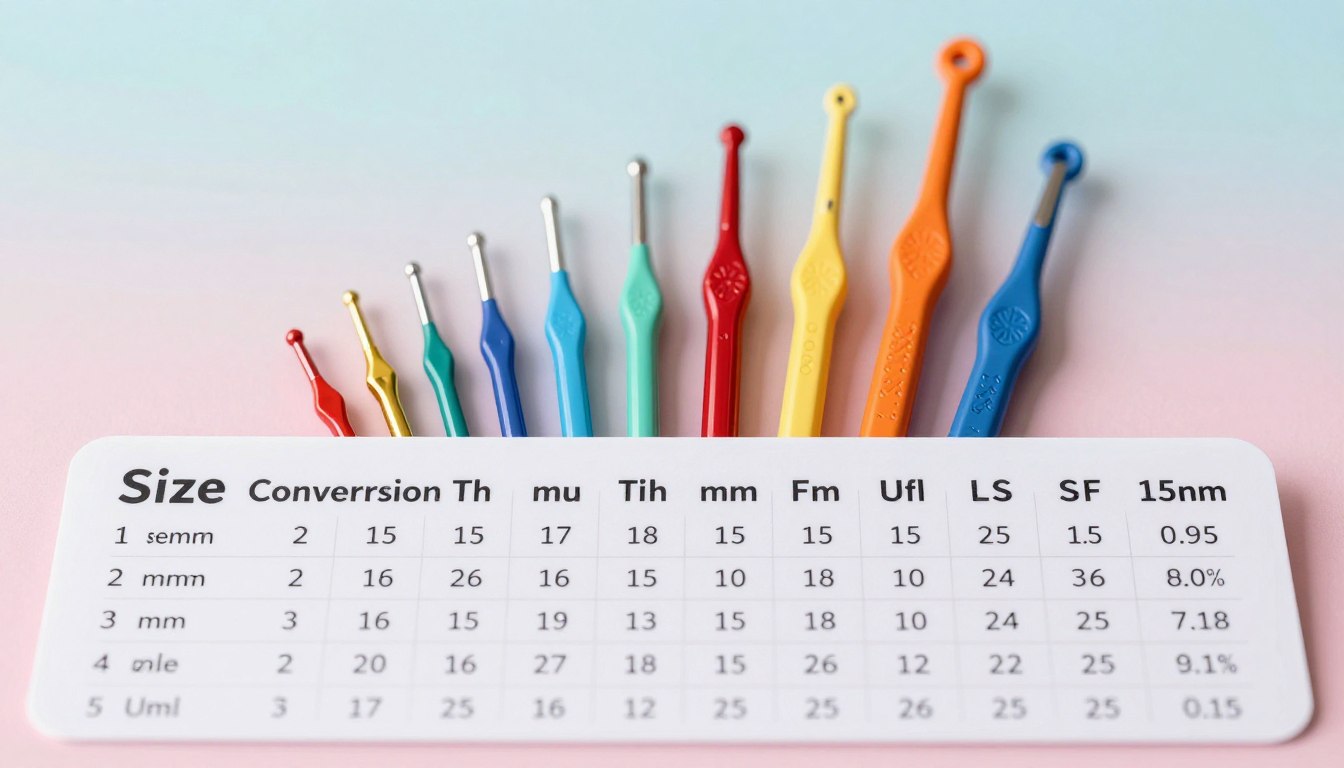
To crochet well, learn crochet hook conversion and how hook sizes affect project tension. Patterns from the U.S. and U.K. may use different labels, so clear size knowledge improves your crafting experience.
Metric millimeters offer the most reliable reference when comparing U.S. labels with U.K. sizes. US to UK crochet hook sizes may look similar, but their terms can differ. For example, a U.S. H-8 equals a U.K. 6, but manufacturers may vary.
Here’s a simple conversion table to help you understand the differences:
| U.S. Size | U.K. Size | Metric (mm) |
|---|---|---|
| H-8 | 6 | 5.0 |
| I-9 | 5 | 5.5 |
| J-10 | 4 | 6.0 |
| K-10.5 | 3 | 6.5 |
| L-11 | 2 | 8.0 |
This chart shows size equivalents, but it cannot promise the same tension. Your grip, hook shape, yarn fiber, and stitching habits also affect the finished fabric. Before each new project, verify your hook size with a gauge swatch.
Mastering crochet hook conversion helps you confidently use patterns from different countries and create projects as you envisioned.
Exploring Different Types of Crochet Hooks
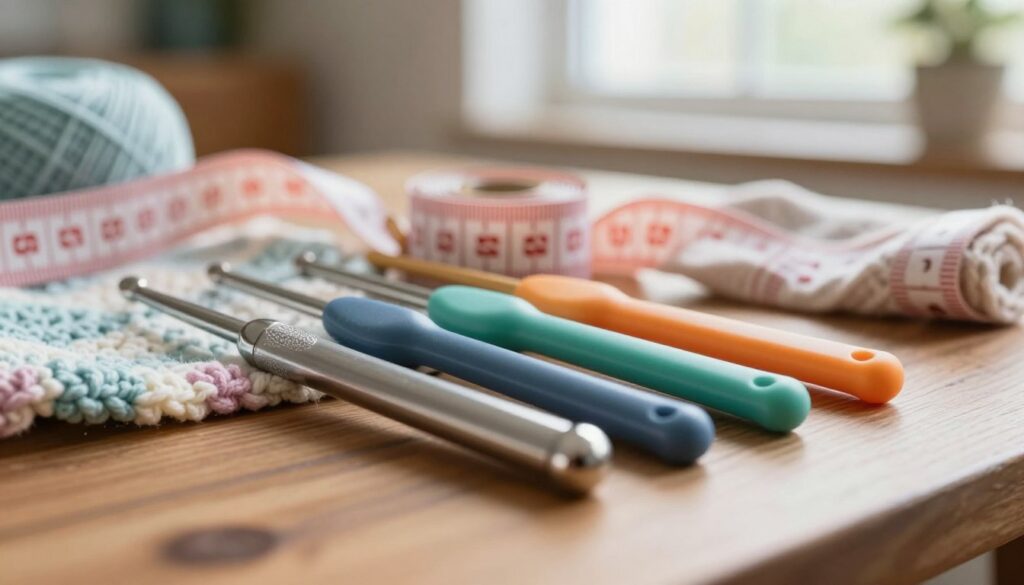
Learning about crochet hook types can improve your crocheting journey. Each has unique features that can affect your comfort and work quality. Common choices include aluminum, plastic, bamboo, and ergonomic options.
Aluminum hooks are popular because they are durable and glide smoothly through many yarns. They work especially well for projects that need speed and efficiency. Their light weight makes them easy to hold during longer crocheting sessions.
Plastic hooks are an affordable choice, especially for beginners. They are light and often come in bright colors, which many people enjoy. However, plastic may snag some yarns, so test each hook with your preferred materials.
Bamboo hooks provide a warm, comfortable grip. Many crocheters enjoy bamboo’s natural feel when working with yarn. Its slight texture can prevent slipping, making it helpful for people who want more control.
Ergonomic hooks focus on comfort, especially during long projects that cause hand fatigue. Their thicker handles can reduce strain on your fingers. Regardless of handle shape, the shaft diameter determines hook size, so check millimeter size in a crochet hook sizes chart.
Choose a hook that feels comfortable and works well with your yarn. Avoid hooks that snag yarn or disrupt your tension. Intermediate crocheters may enjoy specialized shapes and polished surfaces for an even better experience.
| Type of Hook | Material | Best For | Comfort Level |
|---|---|---|---|
| Aluminum | Metal | Speedy Projects | High |
| Plastic | Plastic | Beginners | Medium |
| Bamboo | Wood | Control | High |
| Ergonomic | Varied | Comfort | Very High |
Using a Crochet Hook Size Conversion Chart
Using a crochet hook size conversion chart makes choosing the right hook for your project easier. First, find the size printed on your crochet hook, shown as millimeters or a U.S. letter size. This size provides the basis for conversion.
Next, find the matching size in the crochet hook size conversion table. Use this table to compare your hook with the recommended size on your yarn label or pattern instructions. Check both sizes to confirm they work together.
After choosing the size, make a small swatch by crocheting a few rows. Measure the stitches and rows to check your gauge. If the fabric does not match the required gauge, adjust the hook size.
If stitches are tight, go up a size; if they are loose, go down. Changing hook size can also affect your project’s drape and texture.
For a more organized approach, record the hook, yarn, stitch pattern, and gauge for each project. This personal record improves your crochet experience and makes the crochet hook size guide more useful over time. As you gain experience, this information helps you repeat successful results in future projects.
| Hook Size (mm) | U.S. Size | Recommended Yarn Weight |
|---|---|---|
| 2.0 | 0 | Fingering |
| 4.0 | G | Worsted |
| 5.0 | H | Worsted |
| 6.0 | J | Bulky |
| 8.0 | L | Super Bulky |
Common Issues with Hook Sizes
Knowing common crochet hook size problems can improve your crafting experience. Many crocheters face issues that affect their finished projects. The wrong hook can make garments too small or too large, show amigurumi stuffing, or distort lace motifs.
You should separate sizing errors from tension issues. Two crocheters can use the same hook and yarn but get different gauges. Their grip and stitch habits can change results, even when following a crochet hook size chart.
- Check the actual millimeter marking on your hook.
- Confirm the yarn weight you are using.
- Make a fresh swatch using the required stitch pattern.
- Block the swatch when appropriate.
- Measure it accurately to see if it matches the pattern’s gauge.
If your stitch count is too high, try a larger hook. If it is too low, try a smaller hook. Row gauge may need separate adjustments, and changing hook size often works better than forcing stitches with uneven tension.
By watching these common issues, you can improve your crochet skills and create beautiful projects that meet your expectations.
Special Considerations for Beginners
If you’re new to crochet, choosing the right hook is an important first step. Understanding metric crochet hook sizes helps you choose wisely when following patterns from different designers. First, check the yarn label; it usually lists hook sizes that suit that yarn.
After choosing a range, make a gauge swatch to refine your hook selection. It shows how the yarn behaves with different metric crochet hook sizes and helps create your desired fabric texture. The right hook can make your project easier and more enjoyable.
When shopping, compare starter sets with individual hooks. Starter sets include common sizes and offer a good choice for beginners. Choose an individual hook for a specific size, ergonomic handle, or replacement tool.
Along with hooks, gather essential tools to improve your crafting experience. Consider these items:
- Stitch markers
- A tapestry needle
- Sharp scissors
- A measuring tape
- A row counter
- A project bag
As your collection grows, focus on the yarn weights and project types you use most. Avoid buying every size; expand your toolkit gradually. Intermediate crocheters may add specialty sizes or duplicate favorite metric crochet hook sizes for portable projects.
| Tool | Purpose | Importance for Beginners |
|---|---|---|
| Stitch Markers | Keep track of stitches | Helps maintain pattern accuracy |
| Tapestry Needle | Weaving in ends | Essential for finishing projects |
| Measuring Tape | Measuring fabric | Ensures proper sizing |
| Sharp Scissors | Cutting yarn | Needed for clean cuts |
These steps can help you succeed in your crochet journey. The right tools and knowledge can transform your crafting experience.
Maintaining Your Crochet Hooks
Careful maintenance helps your crochet hooks last longer and improves stitching accuracy. It keeps their surfaces and working ends smooth, supporting consistent stitch quality.
Use these practical tips to keep your crochet hooks in excellent condition:
- Wipe aluminum and plastic hooks with a soft, slightly damp cloth. Always dry them thoroughly to prevent moisture damage.
- Handle bamboo and wooden hooks gently. Avoid prolonged soaking, harsh cleaners, and exposure to extreme heat, as these can cause damage.
- Inspect your hooks regularly for burrs, cracks, peeling coatings, or rough edges. These imperfections can snag your yarn and ruin your projects.
- Store your hooks properly in a labeled case, divided organizer, or protective pouch. This way, you can easily identify sizes and prevent them from rubbing against one another.
- Keep your hooks away from moisture, pets, and excessive heat to ensure they remain in good condition.
If you are an intermediate crocheter with a large collection, label each hook with its metric and U.S. sizes. This makes it easier to reference your crochet hook size conversion chart and reduces accidental substitutions.
Advanced Techniques for Size Matching
Matching crochet hook sizes can transform your crafting experience. Choosing the right crochet hook sizes means more than following a pattern. Experienced crocheters choose hooks for the fabric and visual effect they want.
A larger hook creates relaxed drape, while a smaller hook makes firmer fabric. This matters for lace, toys, garments, baskets, and blankets. Each project may need a different size-matching approach.
You can also use multiple hooks in one project. This creates planned changes in texture or width, giving your work unique features. Test every transition for gauge and appearance so the final product looks cohesive.
Changing hook size while adapting a pattern can affect stitch counts, shaping, and finished dimensions. Always measure a swatch before starting, compare your stitch and row gauge, and record each adjustment. This practice helps you achieve the best results.
Advanced size matching is not about finding one correct hook. Choose the tool that creates your desired structure, fit, and visual effect. These techniques help you use crochet hook sizes confidently and improve your crafting skills.
Popular Crochet Brands and Their Hooks
Exploring crochet brands can help you choose hooks for your projects and use this crochet hook size guide. Each brand has features that can change your crocheting experience. Popular choices include Lion Brand, Clover Amour, and Susan Bates.
Compare metric markings, handle comfort, shaft design, and grip when choosing a hook. Also consider the yarn glide and your personal tension. Use this crochet hook size guide, but choose a hook that feels comfortable.
This crochet hook size guide compares three popular brands. Lion Brand hooks often have a smooth finish for quick stitching. Clover Amour hooks have ergonomic handles for long crocheting sessions.
Susan Bates hooks have a unique head shape for precise yarn placement.
Here’s a comparison table for thesehooks:
| Brand | Material | Handle Type | Best For |
|---|---|---|---|
| Lion Brand | Aluminum | Smooth | Fast stitching |
| Clover Amour | Plastic | Ergonomic | Comfort during long projects |
| Susan Bates | Aluminum | Standard | Controlled yarn placement |
Before buying a complete set, test one or two hooks from each brand. Note which designs feel comfortable with your usual yarns and stitch patterns. This approach helps you build a collection that suits your crocheting style.
Resources for Crocheters
Reliable resources help beginner and intermediate crocheters. Accurate information can improve your crafting experience and help you complete successful projects. A crochet hook sizes chart can explain unfamiliar size terms.
- Online Conversion Tools: Websites that offer a crochet hook size conversion table can be a quick reference when you encounter unfamiliar sizing terms.
- Downloadable Reference Tables: Look for crochet hook sizes charts that you can print and keep handy while you work.
- Pattern Websites: Seek out sites that provide detailed information on yarn weight, gauge, hook size, and finished measurements.
- Community Forums: Engaging with fellow crocheters can provide insights and answers to specific questions about your projects.
Check these resources against current pattern instructions, yarn labels, and manufacturer charts. For vintage patterns or patterns from outside the United States, compare several references when details differ.
When asking crochet communities for advice, share these details:
- The yarn fiber you are using
- The yarn weight
- Your hook measurement
- Swatch results
- The type of project you are working on
Community advice should support, not replace, the pattern designer’s instructions, yarn-label information, and your gauge testing. Use these resources to build your crocheting skills and confidence.
Final Thoughts on Crochet Hook Sizes
Learning crochet hook sizes grows with your skills. A crochet hook size conversion chart helps compare labels and millimeter sizes.
Every project gives you a chance to improve your technique.
First, identify your hook’s millimeter size. Check your crochet hook size chart for the correct hook and yarn weight.
Always make a gauge swatch to check your tension. Change hook sizes to create your desired fabric texture and drape.
Small differences in tension and hook shape can affect your work. Personal testing matters, even when two hooks look similar.
Beginners should choose manageable projects and record successful yarn and hook combinations. This practice builds confidence and skill.
Experienced crocheters can try different hook sizes for exciting results. Explore how each size changes texture and project flexibility.
Every crochet piece adds to your knowledge and experience.
The right crochet hook helps you create fabric you love. Enjoy the process, and let your creativity flourish!