
Shop Crochet Yarn for Every Creative Project Today
Table of Contents
The right choice depends on the project you want to make and the feel you want from the finished piece. A soft toy, a sturdy bag, and a light shawl each call for different choices.
When you browse crochet yarn, color and texture can spark ideas, while your project helps narrow the options. You can explore shades for a handmade gift, compare finishes, and look for yarn that fits your plans and price range.
Some projects suit a calm, single-color look. Others call for bold colors, a mix of textures, or yarn that helps small details stand out.
Your experience level matters, too. If you are learning, clear stitches and simple project needs may guide your browsing; an experienced maker may already have a pattern in mind.
There is no need to choose by appearance alone. Start with the item you want to make, then consider the surface, color, and feel you hope to see.
From browsing inspiration, move to the practical choices that help you narrow your selection.
How to Choose Crochet Yarn for Your Project
Start with the pattern and the job your finished item needs to do. Match the yarn to the pattern’s stated fiber, weight, yardage, and care needs before choosing by color.
Yarn weight is the category used to describe a strand’s thickness, not the skein’s physical weight. The pattern and yarn label can help you choose a suitable hook and check gauge, which measures stitch size across a set area.
A dishcloth needs a different feel and care plan from a warm garment. Think about how often you will use the item, whether it needs to hold its shape, and how you plan to wash it.
Next, compare the pattern’s fiber and weight guidance with the yarn label. Check yardage so you can plan enough material for the full piece, including any color changes.
If you are new to patterns, a step-by-step guide to reading crochet patterns can help you follow the materials list and gauge notes.
Once those details fit, consider your preferred feel and colors. A substitute can change the fabric’s drape or the finished size, even when the yarn looks similar.
Use the pattern and label as a starting point, not a promise that every substitute will behave alike. Fiber content also shapes how a project feels and how you care for it.
That makes fiber the next useful detail to compare.
Which Fiber Fits Your Project Best?
A cotton dishcloth needs crisp stitches and a useful feel, while a warm wool layer calls for more softness and give. Choose a fiber by the item’s job, feel, and care needs.
Cotton, acrylic, and wool each suit different projects. Specialty fibers add other textures, so check the exact yarn rather than relying on a broad category name.
Cotton for crisp, defined stitches
Cotton yarn creates crisp stitch definition, so small details can stand out. Its limited stretch can suit dishcloths, summer pieces, and toys with clear shapes.
That lower stretch can also make a firm fabric. If you want an elastic, soft feel, cotton may not be the best fit for that project.
Some cotton blends feel different from pure cotton. Check the fiber content on the label, since a brand name alone does not tell you what a skein contains.
Acrylic for practical, easy-care projects
Acrylic is often an affordable choice, and many acrylic yarns are durable. Some options are machine washable, which can help with items used often.
Care instructions vary by yarn, even within one fiber type. Read the label before you plan to wash a blanket, toy, or garment in a machine.
Comfort also matters. If a yarn feels scratchy or stiff to you, another acrylic option or a different fiber may feel better in the finished piece.
Wool and specialty fibers for warmth or plush texture
Wool offers warmth and elasticity, which can suit winter garments and accessories. Merino wool is a softer animal-fiber option, while alpaca is another animal fiber with its own feel.
Chenille and polyester yarns can create a plush surface. That texture may suit soft toys or cozy accessories, though the stitches can be harder to see.
Fiber content and brand are different details. Lion Brand is a brand name, not a fiber type, so check the exact product label for its contents and care directions.
Care instructions vary by yarn, so do not assume every item in a fiber category can be washed the same way. Thickness is another choice that affects speed, texture, and project fit.
What Do Yarn Types and Weights Tell You?
Start with the number and category printed on a yarn label, then use them to judge strand thickness. The weight category describes thickness, while the yarn’s fiber describes what it is made from.
Weight labels help you compare yarns and follow a pattern’s materials list. Common categories range from fine lace and fingering yarns to thicker bulky and super bulky choices.
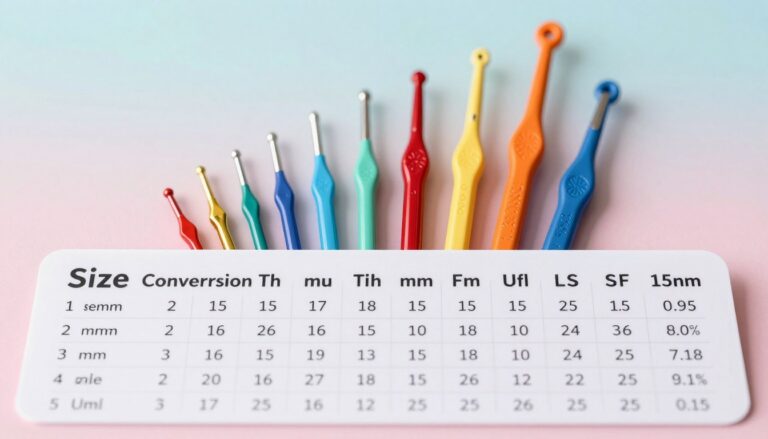
The categories can help you narrow options, but they do not replace the pattern. A typical hook range is only a guide; check the label and pattern for the right match.
| Weight category | Common name | Typical hook range | Common project use |
|---|---|---|---|
| 3 | DK or light | 4.5-5.5 mm | Lightweight garments and baby items |
| 4 | Worsted or medium | 5.5-6.5 mm | Everyday garments and blankets |
| 5 | Bulky | 6.5-9 mm | Quick accessories and heavier blankets |
| 6 | Super bulky | 9-15 mm | Chunky scarves and oversized blankets |
Lighter yarns for finer fabric
Fingering and lace are finer options than the categories shown in the table. They can make a light, delicate fabric, but your pattern needs to call for that kind of yarn.
A fine strand usually takes more stitches to cover the same area than a thicker strand. That can affect the time and detail involved in a project.
Use the pattern and label before relying on a typical hook range. A different yarn can alter the stitch size and fabric, even when its category seems close.
Bulky and super bulky yarn for faster, thicker fabric
Bulky and super bulky yarn can cover more space with each stitch. That may help a project work up faster, though the resulting fabric can feel heavier and thicker.
A larger hook or thicker yarn changes fabric and gauge. If you use either in place of the pattern’s choice, the finished size or drape may change.
Check the pattern before you swap categories. With the labels clear, you can now consider what makes a first set of materials easier to use.
Which Crochet Yarn Is Easiest for Beginners?
Trying to count stitches in dark, fuzzy yarn can make practice harder than it needs to be. A smooth, light-colored yarn makes individual stitches easier to see and correct.
When your pattern calls for it, a manageable medium-weight yarn can be a useful place to start. Acrylic is one practical option, but your comfort and the pattern’s needs still matter.
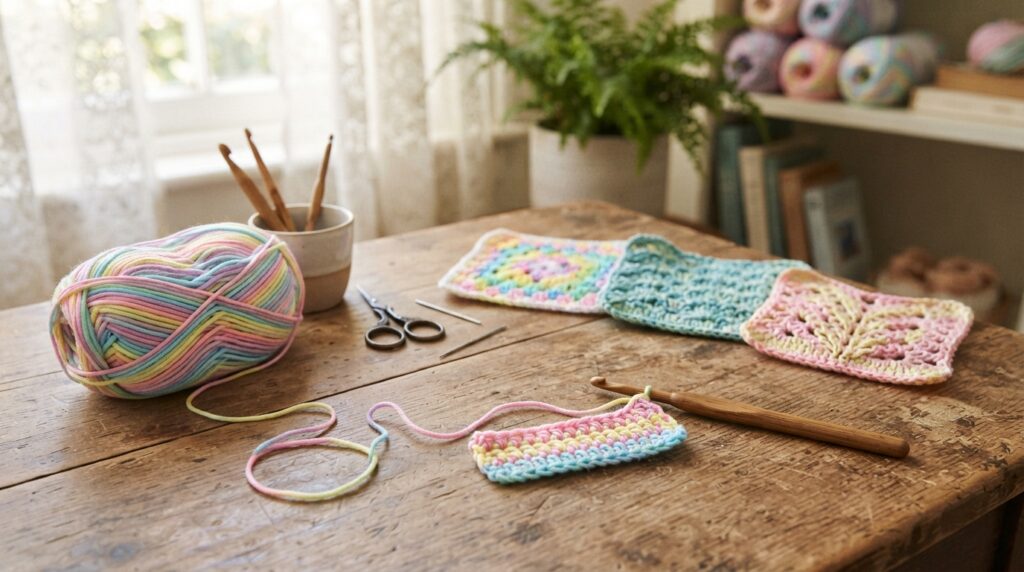
Choose a strand that lets you see where each stitch begins and ends. Fuzzy textures and very dark shades can hide the loops you need to count.
A smooth yarn also makes it easier to undo a mistake and try again. For a first project, check that the pattern uses a yarn you can find and handle comfortably.
- Smooth texture that does not hide the loops
- Solid, light shade that shows each stitch
- Manageable thickness that fits the pattern
- Clear care instructions on the yarn label
- Enough yardage for practice and the planned project
There is a common spelling mix-up: “crotching” is usually a misspelling of crocheting. Crocheting is the craft of making fabric with a hook and yarn.
Try a small practice piece before you start a larger make. Once counting feels more familiar, a crochet blanket is a common project to consider.
What Yarn Should You Choose for a Crochet Blanket?
Picture choosing between a light throw for regular use and a thick, cozy blanket. For a blanket, match the yarn to the pattern, the desired weight, and the care the finished piece will need.
Check the pattern’s yarn weight and gauge before you buy. A blanket can use a lot of material, so a change in yarn can affect both the fabric and the finished size.
Everyday blankets that need practical care
Acrylic options may suit blankets that need practical care, since some are machine washable. Read the item’s label instead of assuming every acrylic yarn can go in a washer.
Cotton can make a fabric with defined stitches and less stretch. That may suit a blanket where you want a clearer pattern, but its feel may be firmer.
Consider how often the blanket will be used and cleaned. The care directions on the specific yarn matter more than a general idea about its fiber.
Lightweight blankets and blankets with defined texture
A lighter yarn may suit a throw you want to drape easily. Cotton can show stitch patterns clearly, while a textured stitch may make the fabric feel more substantial.
Bulky and super bulky yarn can help a blanket work up faster, but it also creates thicker, heavier fabric. That is not automatically right for every pattern or climate.
Use the pattern’s yarn weight and gauge as your guide. Once you know what the blanket needs, you can weigh the traits that make cotton useful or unsuitable.
Is Cotton the Right Fiber for Your Crochet Project?
A cotton dishcloth benefits from defined stitches that form a clear, firm fabric. Cotton suits projects that need crisp stitch definition, but its limited stretch can affect drape and comfort.
Cotton yarn can work well for dishcloths, summer garments, and detailed amigurumi. The firm feel may be less comfortable when a soft, elastic fabric is your main goal.
| Fiber | Stretch and stitch character | Useful project examples | Consideration |
|---|---|---|---|
| Cotton | Little stretch, crisp definition | Dishcloths and summer garments | Check the desired drape |
| Acrylic | Durable, with washable options | Blankets and toys | Check care instructions |
| Wool or wool blend | Warm and elastic | Winter garments | Check fiber sensitivities and care |
| Chenille or polyester | Plush feel | Oversized blankets and soft toys | Texture can make stitches harder to see |
The table offers a starting point, not a promise about every yarn. Blends and finishes can change how a strand feels, so check the label and test a swatch when fit matters.
For a garment, consider how the fabric hangs and moves. Cotton’s lower stretch can feel quite different from a fiber that gives more as you wear it.
Use can matter as much as appearance. A dishcloth may benefit from a defined surface, while a soft toy may call for a gentler feel.
After fiber, consider how colors and surface texture change a project’s look and how easily you can see its stitches.
How Do You Choose Colors and Textures?
Start by choosing between a high-contrast, color-blocked design and a quiet, tonal palette. Plan colors and texture together so the finished fabric looks right and its stitches remain visible.
For practice, a solid, lighter shade can make each stitch easier to see. Textured or fuzzy crochet yarn may hide stitch definition, especially in a complex pattern.
Build a palette around the finished piece
Choose a main color first, then decide whether accent shades should stand out or blend in. A strong contrast can help color blocks read clearly.
Compare shades in the same light when practical. Room lighting can change how colors appear, so check skeins together before you use several in one project.
Monitor appearance can differ from yarn in hand. If color match matters, compare the physical yarn when you can and consider how the shades work together.
- Main color for the largest part of the project
- Accent colors for small details or stripes
- Contrast between shades and stitch patterns
- Surface texture that suits the finished piece
- Stitch visibility for the pattern and your skill level
Choose smooth or fuzzy texture for stitch visibility and feel
Smooth yarn makes it easier to spot individual loops and count stitches. A fuzzy surface can add softness, but may blur a detailed stitch pattern.
Polyester and chenille options can create a plush feel. Consider a sample first if the pattern relies on small stitches that need to stay visible.
Color inspiration can come from many places. You can browse the Hooksylane Pinterest page for crochet ideas, then move from appearance to the yarn label’s details.
What Should You Check on a Yarn Label?
The label is the quickest way to check whether a skein matches a pattern’s requirements. Confirm fiber content, weight category, yardage, care, hook guidance, and dye-lot information before you start.
A dye lot is a production batch that can affect a yarn color’s shade. If your project needs several skeins, buy enough of the same color and dye lot when possible.
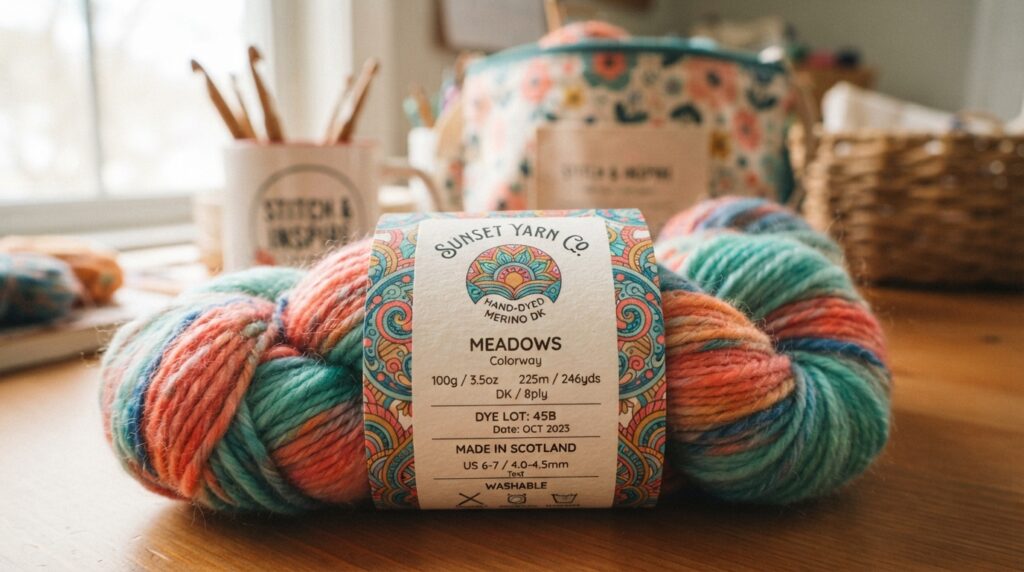
Check the listed fiber content rather than judging by touch alone. A blend may behave differently from a single-fiber yarn, even when both have a similar feel.
Look for the weight category and the yardage in each skein. Those details help you compare the label with your pattern and plan the amount needed.
Care instructions tell you how the maker recommends washing and drying that yarn. The label may also give a recommended hook, which serves as a general starting point.
Brand names such as Lion Brand do not replace checking the exact product label. Products from one brand can have different fibers, weights, and care needs.
Some yarns also work for knitting, but a knitting pattern is not a crochet pattern. The two crafts use different tools and instructions.
Once you have read the label, pair its hook guidance with your pattern’s hook and stitch details.
How Do You Pair a Crochet Hook With Yarn and Stitch?
If your swatch comes out too stiff or too open, the hook and yarn may not suit the fabric you want. Start with the pattern’s recommended hook and gauge, then test the yarn with a small swatch.
The yarn label gives a general hook recommendation, while the pattern gives guidance for its specific stitches. Use both to begin, especially when the finished size matters.
Make a small swatch in the stitch used by your project. Check whether the fabric feels too stiff or loose, and compare its size with the pattern’s gauge notes.
Changing hooks can alter gauge and finished dimensions. A smaller hook may make tighter stitches, while a larger one can create a more open fabric.
Textured stitches can behave differently from basic stitches. A pattern with raised or openwork details may need a test swatch in the actual stitch pattern.
Adjust only after you compare the swatch with the pattern. A hook change can affect how much yarn the project uses, as well as the final drape.
Once the tools and fabric suit the pattern, estimate how much material the project will take.
How Much Yarn Should You Buy for a Project?
Start with a pattern that gives total yardage, not just a skein count. Total pattern yardage and the yardage printed on each skein give you a more useful estimate than skein count alone.
Skein sizes vary, so two skeins of different yarns may provide different amounts. Use the numbers on the pattern and label to work out how many whole skeins to buy.
Use pattern yardage to estimate skeins
Follow these steps to estimate the amount you need. Allow for swatching, and keep the same color and dye lot in mind if your project uses several skeins.
- Find the pattern’s total yardage for your chosen size.
- Check the yardage listed on one skein.
- Divide total yardage by yardage per skein, then round up to whole skeins.
- Confirm the color and dye lot for the quantity you plan to buy.
The estimate gives you a starting number, not a universal extra-skein rule. A swatch or changes to the pattern can affect how much yarn you use.
When buying in bulk makes sense
A bulk bundle may help when the project needs several skeins in the same shade. Compare its total yardage with your project’s needs instead of judging by package count.
Check the retailer’s current bulk price and return terms before ordering. Promotions and terms can change, so base the decision on the details shown for that order.
Bulk buying may be less useful when you need only a small amount or want to test a yarn first. From quantity planning, move to matching yarn traits with the object you want to make.
Which Yarn Suits Toys, Garments, and Home Projects?
For a small amigurumi toy, clear stitches help you shape and count each part. Match the yarn to the project’s needed stitch definition, drape, and care, then follow its pattern.
A smooth, firm fabric may suit a toy, while a summer garment needs enough drape to wear comfortably. The same yarn will not suit every object or pattern.
| Project | Suitable yarn characteristic | Example fiber or weight | Caution |
|---|---|---|---|
| Amigurumi | Clear, firm stitches | Cotton or smooth medium-weight yarn | Check the pattern’s recommended firmness |
| Dishcloth | Absorbent, defined fabric | Cotton | Confirm care instructions |
| Summer garment | Lighter drape | Cotton or a light-weight yarn | Swatch for fit and drape |
| Baby item | Soft feel and care suited to frequent washing | Yarn whose label supports the needed care | Do not assume every fiber is machine washable |
This matching guide does not replace pattern instructions. For a toy, the pattern may call for a firm fabric that keeps stuffing from showing.
If you are choosing yarn for amigurumi, this guide to yarn for soft and durable toys offers more project-focused tips.
A garment needs a swatch to check how the fabric hangs and fits. A dishcloth needs care that works for how often you plan to wash it.
For a baby item, read the care directions closely and choose a yarn that suits the planned use. Next, compare actual product options by package size and listed price.
How Can You Compare Yarn Prices and Bundles?
A single 50-gram skein and a six-color pack serve different needs. Compare usable yardage, colors, and total project needs instead of judging value by a discount label alone.
Crochet Cotton Yarn #4 single-color skeins list at $4.99 each, with an original price of $6.49. The listed savings are 23% for these skeins.
| Product | Color | Package details | Current listed price | Original listed price |
|---|---|---|---|---|
| Crochet Cotton Yarn #4 | White | 50 grams, 85 yards | $4.99 | $6.49 |
| Crochet Cotton Yarn #4 | Red | 50 grams, 85 yards | $4.99 | $6.49 |
| Crochet Cotton Yarn #4 | Black | 50 grams, 85 yards | $4.99 | $6.49 |
| Crochet Cotton Yarn #4 | Mint Green | 50 grams, 85 yards | $4.99 | $6.49 |
A Crochet 100% Pure Cotton Yarn #4 set of six Frostings colors lists at $24.99, originally $37.99. Its listed savings are 34%.
The product listing does not state package weight or yardage for the Frostings set. Without those details, you cannot make a per-yard comparison.
Prices and promotions may change. Check the current listing when you compare, and consider whether the color set fits your project.
One skein may suit a small accent, while a bundle may fit a design that uses several shades. The right value depends on usable yardage, color needs, and total project requirements.
From listed prices, move to choosing where and how to shop.
Where Can You Buy Crochet Yarn Online or Nearby?
The best place depends on whether you value checking colors in person or viewing online stock and product details. Compare the exact yarn and the seller’s current terms rather than assuming one shop fits every project.
Online listings can make it easier to compare many options at once. A local shop lets you see the color and feel the yarn before you choose.
Compare online listings by usable details
Compare fiber, weight, yardage, colors, and current stock before ordering. Check delivery cost and the seller’s current return terms, too.
Brand names such as Lion Brand and named collections can help you filter choices only when the specific product is stocked. A familiar name does not confirm that the yarn suits your pattern.
Read each listing closely, especially when several colors or package sizes appear together. Confirm that the details belong to the exact option you plan to add.
Check local inventory before you go
For a nearby shop, check current inventory before traveling. A store may carry a brand or collection without having the shade or amount you need.
In person, compare colors under the shop’s lighting and feel the strand if it is available to handle. You can then check the label details against your project.
No single store is best for every maker. Once you choose a seller, make one final check before checkout.
What Should You Check Before Placing an Order?
A cart can look right by color but still contain too little yardage or the wrong weight. Before paying, confirm that every item in the cart matches the project’s needs.
Check the exact listing and the seller’s current terms. A few details can catch a mismatch before you place the order.
- Correct fiber and weight for the pattern
- Enough yardage and a matching dye lot when needed
- Color and texture that suit the finished project
- Care instructions that fit the item’s planned use
- Current delivery, returns, and privacy policy details
Check whether free shipping applies to your order instead of assuming it does. Delivery costs can affect the total price.
Read the seller’s current return terms and privacy policy before you pay. Do not assume a return window or privacy practice that the seller has not stated.
A browser extension or a blocked page is not a product attribute. If product details fail to load, check the retailer’s own current site or support channel.
After confirming the order details, choose a first or next project purchase that fits your actual plans.
What Makes a Yarn Gift or Bundle a Good Choice?
Start with the recipient’s current project or preferred kind of make. A useful yarn gift matches what that person enjoys making, not just a color that looks appealing.
Check their preferred fiber and colors, then make sure the set provides enough usable yardage. A multi-color bundle suits someone who likes combining shades, while a single color may fit a planned project better.
- Project or craft preference
- Fiber and care preference
- Color palette
- Package yardage
If you know the maker’s brand preference, check whether the seller lists that product. Lion Brand is one brand name to look for, not a promise that a specific yarn is available.
A gift set can also include more shades than the recipient needs. Check its colors and yardage against the kind of project they are likely to make.
Choose for the recipient’s actual needs, then carry that same practical match into your next project choice.
Conclusion
Match the yarn to your project before choosing by color alone. Your pattern’s fiber, weight, yardage, and care guidance should anchor the choice.
Choose one project and check its required details first. Then browse matching options and add enough yarn for the work you have planned.
Compare shades and finishes once the practical details fit. Browse the category to compare options for your next make.