Best Yarn for Amigurumi Guide for Soft and Durable Toys
Table of Contents
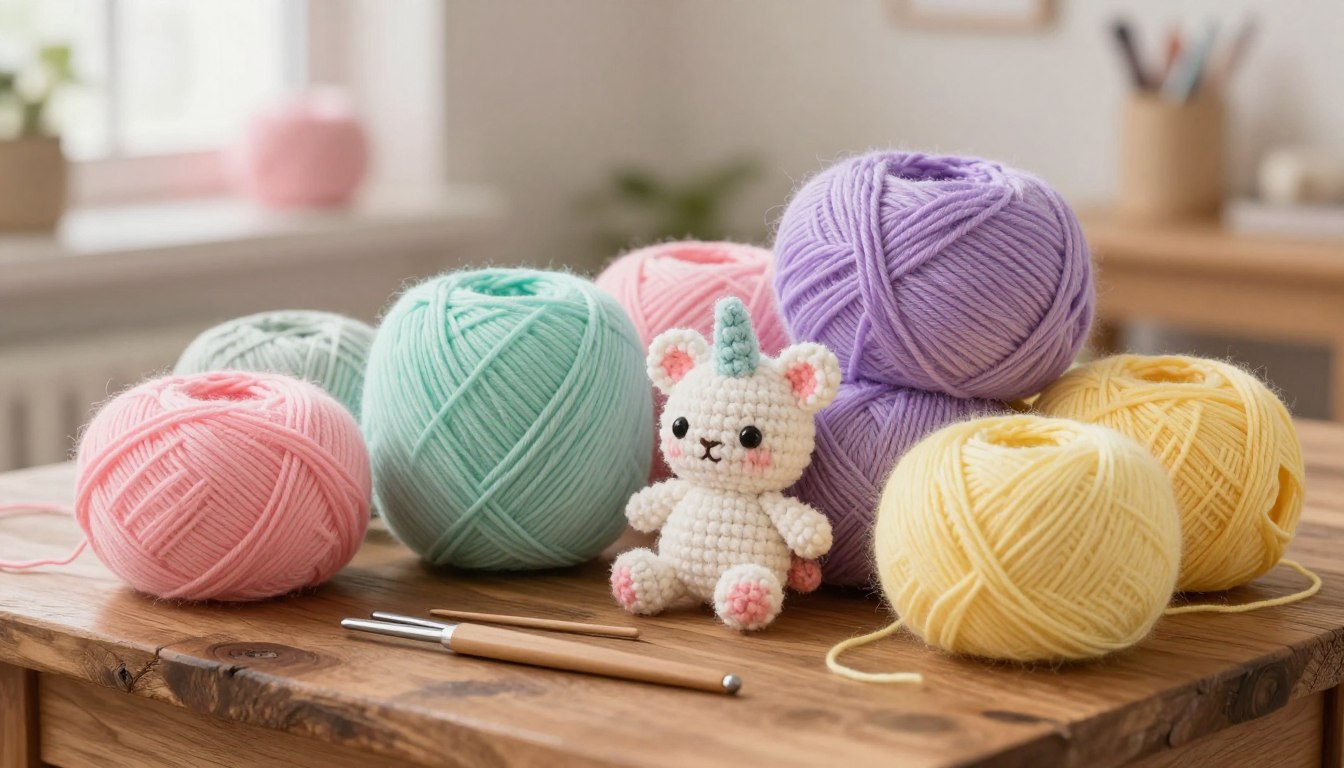
Choosing the best yarn for amigurumi can turn simple projects into stunning toys. The selection of yarn affects its feel and shape. Color and price matter, but texture matters too.
The right yarn makes handmade toys attractive and strong enough for loving play. The top yarn for amigurumi helps each careful stitch last. This guide covers fiber types and color choices to support informed decisions.
Beginners and intermediate crocheters can follow this tutorial step by step. You can find the perfect material by understanding your needs and preferences.
Understanding Amigurumi: What You Need to Know
Explore amigurumi, where simple yarn becomes playful characters and toys. Amigurumi is a Japanese-inspired craft that uses crochet or knitting to make small stuffed figures, animals, and decorative objects. This art form is popular across the United States and attracts crafters of all ages.
Modern amigurumi patterns range from simple balls and bears to detailed animals, dolls, food items, and fantasy characters. Beginners and intermediate crocheters can find patterns that match their skills and spark creativity.
The Origin of Amigurumi
Amigurumi began in Japan as handmade art; its name means “crocheted or knitted stuffed toy.” Amigurumi has deep cultural meaning but became a global craft embraced by crafters worldwide. Today, it supports self-expression through unique, personal gifts.
Common Amigurumi Patterns
When choosing yarn, consider the pattern’s complexity. Simple designs may use less yarn and finish faster, while intricate designs need close attention to detail.
Patterns with small limbs, facial features, and color changes need yarn with clear stitch definition and durability. This matters especially for tightly stuffed bodies that can handle frequent use.
Importance of Yarn Choice
Choosing the ideal yarn for stuffed animals is crucial. The right yarn provides:
- Clear stitch definition: This ensures that your stitches are visible and well-defined.
- Controlled stretch: Ideal yarn maintains its shape without sagging.
- A neat surface: A smooth texture allows for a polished finish.
- Strength: The yarn should be durable enough to endure frequent handling.
These ideas can guide your amigurumi journey and help you select the ideal yarn for stuffed animals.
Key Features of the Best Amigurumi Yarn
For amigurumi, quality yarn for crochet toys affects softness, strength, and the finished toy’s appeal. These key features can guide your choice.
Softness and Comfort
Quality yarn for crochet toys should feel soft and smooth. Smooth fibers feel comfortable, especially on toys held or given to children. Fuzzy or highly textured yarn may feel rough and irritate sensitive skin.
A soft finish suits nursery toys because it keeps playtime comfortable.
Durability and Longevity
Durability is another critical feature. Quality yarn should resist pilling, fraying, and stretching, so amigurumi keeps its shape and appearance. A firm, smooth strand helps you see tight stitches and lowers snagging risks while crocheting.
Also, check whether the yarn withstands repeated washing, especially for frequently used toys.
Color Options and Dyes
A broad color range supports character design and fine details. Quality yarn offers vibrant colors for stripes, facial features, and realistic animal markings. Check colorfastness so colors stay bright and true after washing, especially when toys need cleaning.
| Feature | Importance | Considerations |
|---|---|---|
| Softness | Comfort for users | Smooth fibers vs. textured yarns |
| Durability | Longevity of the toy | Resistance to pilling and washing |
| Color Options | Enhances design and appeal | Vibrancy and colorfastness |
Focus on these features to choose the best quality yarn for crochet toys for your needs. This choice can create a delightful crafting experience. Happy crocheting!
Types of Yarn Ideal for Amigurumi
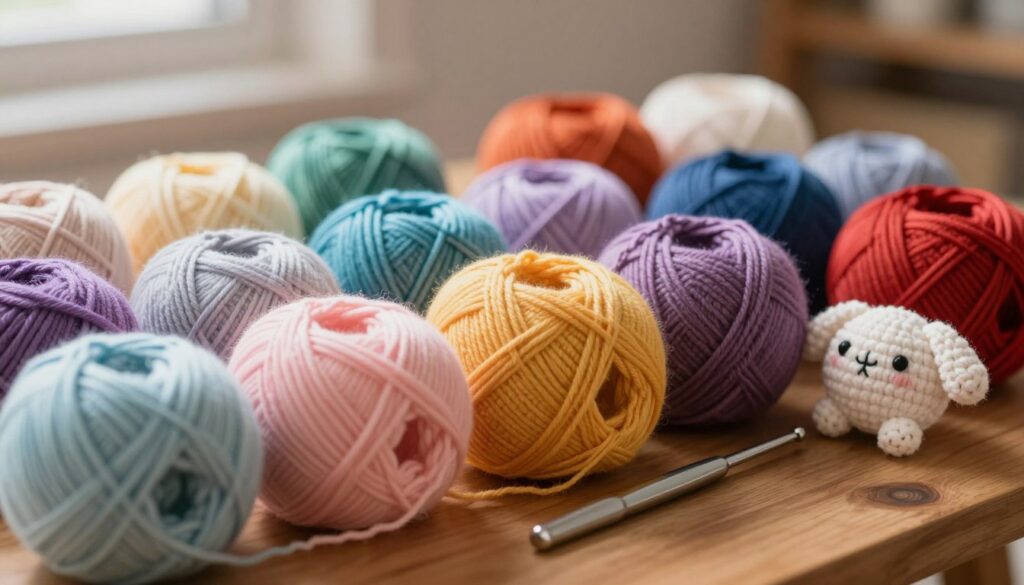
Choosing premium amigurumi yarn can greatly affect your finished projects. Each fiber offers different benefits and challenges.
We will examine acrylic, cotton, and wool. Each type suits different projects.
Acrylic Yarn: Pros and Cons
Acrylic yarn suits beginners because it costs less and comes in many colors. It is easy to wash, making it practical for toys that need cleaning. Its even thickness also helps keep stitches uniform.
However, acrylic yarn can create extra fuzz, which may change your toy’s appearance. Some types show stitches less clearly, hiding intricate details. It may also feel less natural than other fibers.
Cotton Yarn: Why It’s Great for Amigurumi
Cotton yarn has a smooth surface and firm structure. It shows stitches clearly, helping you make polished shapes and detailed designs. It works especially well when you want stitches to stand out.
Cotton has little stretch, so it may feel less forgiving. Beginners may find it challenging because it needs different tension than elastic fibers. Still, it is an excellent choice for sharp, defined shapes.
Wool Yarn: Is It Suitable?
Wool yarn is warm, elastic, and soft. Its natural texture appeals to many crafters. It works well for cozy toys that feel inviting and plush.
Wool can felt, which may cause problems when washing your project. Some people are allergic to wool, so it does not suit everyone. It can also hide small stitches, making detailed work harder.
When selecting premium amigurumi yarn, consider your project needs instead of fiber prestige. Each fiber has strengths and weaknesses, so knowing them helps you choose well.
| Yarn Type | Pros | Cons |
|---|---|---|
| Acrylic | Affordable, wide color range, easy care | Excess fuzz, lower stitch definition |
| Cotton | Smooth surface, firm structure, great stitch clarity | Limited stretch, less forgiving |
| Wool | Warmth, elasticity, natural texture | Felting risk, potential allergies |
Recommended Brands for Amigurumi Yarn
Choosing the right yarn brand can greatly improve your amigurumi projects. With many options available, knowing each brand’s strengths helps you choose wisely. For recommended yarn for amigurumi projects, consider these brands:
- Yarnspirations: A Trusty Choice – This brand offers many yarn lines, fiber types, weights, and colors. Its pattern resources help you compare options for your project.
- Bernat: Quality You Can Rely On – When choosing Bernat products, check the fiber content, recommended hook size, wash instructions, and strand structure. These details affect the yarn’s performance and your amigurumi’s finished look.
- Red Heart: Popular and Affordable – Red Heart yarn is easy to find and offers many colors at budget-friendly prices. It suits beginners who want to practice without buying premium materials.
When reading amigurumi yarn reviews, look for comments about:
- Splitting
- Pilling
- Softness
- Color consistency
- Handling
- Finished shape
The best yarn depends on your project and personal preferences. Explore different brands and choose the one that works best for you.
Yarn Weight and Its Impact on Amigurumi
Yarn weight helps you achieve the right look in amigurumi projects. It describes the thickness of the yarn strand, not the finished toy’s weight. This idea helps beginners and crafters adapt patterns.
In the U.S., yarn comes in several categories:
- Lace
- Fingering
- Sport
- DK (Double Knitting)
- Worsted
- Bulky
- Super Bulky
Amigurumi patterns often use sport, DK, worsted, or similar medium-to-light yarns. Yarn weight can change your project in important ways:
- Thicker yarn creates larger toys and allows for faster progress.
- Thinner yarn produces smaller figures with finer details.
When choosing yarn for small crochet projects, such as mini animals, keychains, or ornaments, consider these points:
- Check the pattern instructions for specific yarn weight recommendations.
- Be aware that changing the yarn weight alters the finished dimensions and the amount of yarn needed.
- Test a small piece before committing to the entire project to ensure the results meet your expectations.
Choosing the right yarn weight helps create the look and feel you want for amigurumi. With this knowledge, you can confidently select materials for your projects.
How to Select the Right Yarn Colors
Choosing yarn colors can make your amigurumi creations more charming. Good colors make characters lively and easy to recognize. Color planning matters when choosing the best yarn for amigurumi.
Color Theory Basics for Amigurumi
- Primary Colors: Red, blue, and yellow. These are the building blocks of all other colors.
- Secondary Colors: Green, orange, and purple. Created by mixing primary colors.
- Complementary Colors: Colors opposite each other on the color wheel, like blue and orange, which create vibrant contrasts.
- Analogous Colors: Colors next to each other on the wheel, providing a harmonious look.
- Warm Colors: Reds, oranges, and yellows that evoke warmth and energy.
- Cool Colors: Blues, greens, and purples that convey calmness.
- Light and Dark Colors: Lighter shades can make details pop, while darker shades add depth.
Contrast helps facial features, stripes, paws, ears, and accessories stand out. Bright eyes against a neutral face can create a striking effect.
Mixing and Matching Yarn Colors
Start with one dominant color for the body. Add one or two supporting shades that complement it. Finish with a contrasting accent for details, such as eyes or accessories.
Before buying yarn, especially online, check its color in natural and indoor light. Different lighting can change colors and affect your finished project. Photograph or arrange sample skeins together to see how they fit your design.
Finally, choose the best yarn for amigurumi with dependable color availability. This matters when projects need matching skeins or later repairs. Consistent color keeps your amigurumi cohesive after repairs.
| Color Type | Description | Usage in Amigurumi |
|---|---|---|
| Primary | Basic colors used to create other colors | Foundation for character designs |
| Secondary | Mix of primary colors | Enhances depth and variety |
| Complementary | Opposite colors on the wheel | Creates striking contrasts |
| Analogous | Colors next to each other | Provides harmony in designs |
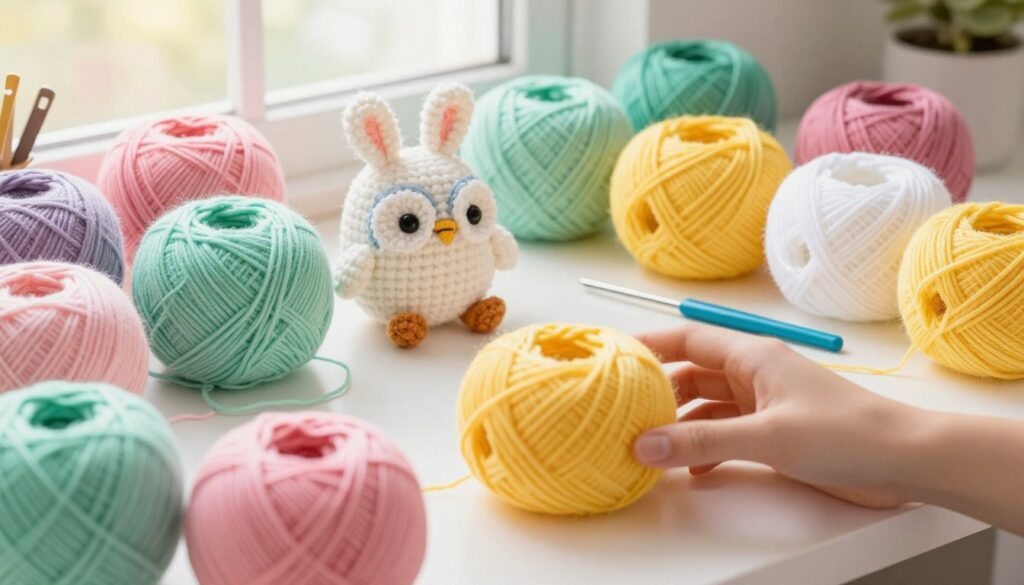
Tips for Working with Yarn on Amigurumi Projects
When you explore amigurumi, strong yarn skills can improve your creations. These practical tips can help you make cleaner, more consistent projects.
Choosing the Right Hook Size
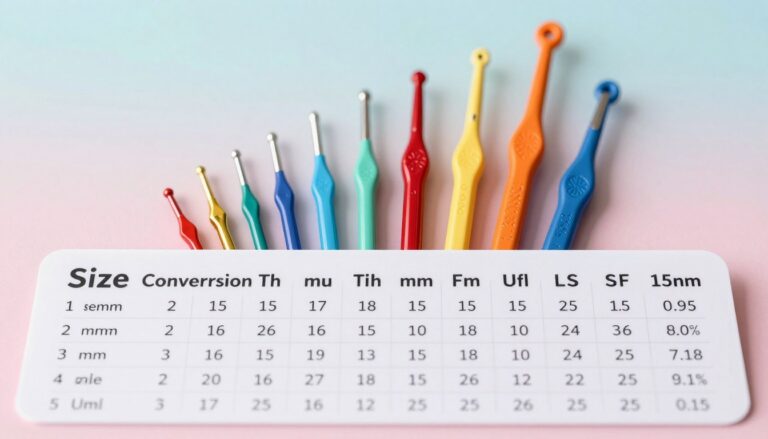
Amigurumi usually needs a smaller hook than the yarn label recommends. This creates dense fabric and keeps stuffing from showing. Choose a hook that moves smoothly through loops without straining your hands.
Tips for Joining New Yarn
Join new yarn at the end of a round or in a hidden spot. Secure the tail, then weave it in carefully to strengthen your toy. Knots alone may loosen during handling, so weave in the ends properly.
Maintaining Tension While Crocheting
Keep a steady grip and relaxed hands for even tension. Beginners should count stitches, check gaps, and pause after several rounds to confirm the shape. Intermediate crocheters can use stitch markers to compare tension across repeated parts.
Remember, the top yarn for amigurumi should suit your hook and crocheting style. These tips can improve your amigurumi projects and make crafting more enjoyable!
Recycling Yarn: Sustainable Options for Amigurumi
Recycled yarn can make amigurumi projects more sustainable. It cuts waste, lowers costs, and supplies quality yarn for crochet toys or practice pieces. Check each yarn’s condition before use to protect safety and quality.
When it comes to using upcycled yarn, try these practical ideas:
- Repurpose clean leftover skeins from previous projects.
- Carefully unravel unused garments to reclaim quality yarn.
- Combine remnants for colorwork, appliqués, or stuffing tests.
Be cautious when choosing recycled yarn. Avoid brittle, badly stretched, contaminated, strongly scented, or unidentified yarn for children’s toys. Always put safety and quality first.
Benefits of Eco-Friendly Materials reach beyond appearance. Using materials longer supports a more sustainable crafting environment. Check recycled yarn’s fiber content, washability, and colorfastness before use.
These checks help secondhand or upcycled yarn create sturdy, safe toys for their recipients. This remains important even when the yarn is recycled.
In summary, quality yarn for crochet toys should remain a priority. Choose new or recycled materials that meet safety standards and withstand repeated use.
| Yarn Condition | Usefulness | Safety Level |
|---|---|---|
| New | High | Safe |
| Clean and Untangled | Moderate | Safe |
| Brittle or Stretched | Low | Unsafe |
| Strongly Scented | Low | Unsafe |
Common Mistakes to Avoid When Choosing Yarn
Choosing yarn for amigurumi can feel difficult, but avoiding common mistakes makes it easier. Beginners often make preventable errors, and intermediate crocheters can use a checklist for yarn substitutions.
Overlooking Yarn Labels is a common mistake. Each label gives important details that can affect your project. Pay attention to:
- Fiber Content: Different fibers behave differently. For example, cotton yarn is less stretchy than acrylic.
- Yarn Weight: This affects the final size of your amigurumi. Always choose the weight recommended in your pattern.
- Yardage: Ensure you have enough yarn for your project. Running out mid-project can be frustrating.
- Care Instructions: Consider how the finished toy will be used. Some yarns are machine washable, while others require hand washing.
- Dye Lot: If you’re using multiple skeins, make sure they are from the same dye lot to avoid color mismatches.
- Recommended Hook Size: This can help you achieve the desired tension and fabric density.
- Washing Information: Knowing how to care for your finished product is essential for longevity.
Another mistake is ignoring gauge swatches. Amigurumi gauge helps create dense fabric, so stuffing does not show. A large hook can leave holes, while a small hook can cause tight tension and uneven stitches.
Check your gauge so the finished piece matches the intended size.
Remember, the ideal yarn for stuffed animals should suit your pattern, hook, stuffing, and intended use. Before starting, use this pre-project checklist:
- Confirm yarn weight.
- Test the fabric with a gauge swatch.
- Check the color against your pattern.
- Assess the softness of the yarn.
- Verify care requirements.
- Ensure you have enough yardage.
Avoiding these common mistakes helps you create beautiful amigurumi that delight you and your recipients.
Final Thoughts: Finding Your Perfect Yarn
The right yarn can transform your amigurumi creations. Choose a smooth, durable fiber that fits your needs, supports clear stitches, and creates secure fabric. The recommended yarn for amigurumi should match your toy’s size, while a firm-stitch hook supports the best results.
Experiment with different brands and textures. Test small samples, including budget-friendly options and premium amigurumi yarn, to find what works best. Record your hook size, yarn brand, color choices, and washing results to repeat successful projects.
Joining amigurumi communities can provide valuable support. Join pattern groups, crochet forums, or local craft circles for help with yarn substitutions, shaping techniques, and color matching. Connecting with others can build your skills and inspire new ideas.
The best yarn feels comfortable to use and makes durable toys. Enjoy the creative process, and let your imagination guide you when selecting the perfect yarn for your next project.